Saturday, January 14, 2006

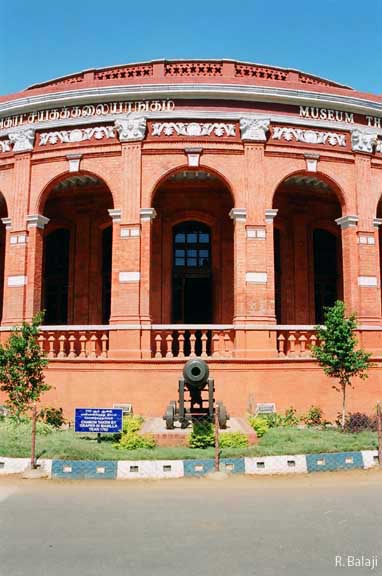
The Museum Theatre. Posted by Picasa
A view of the Museum Theatre. Posted by Picasa
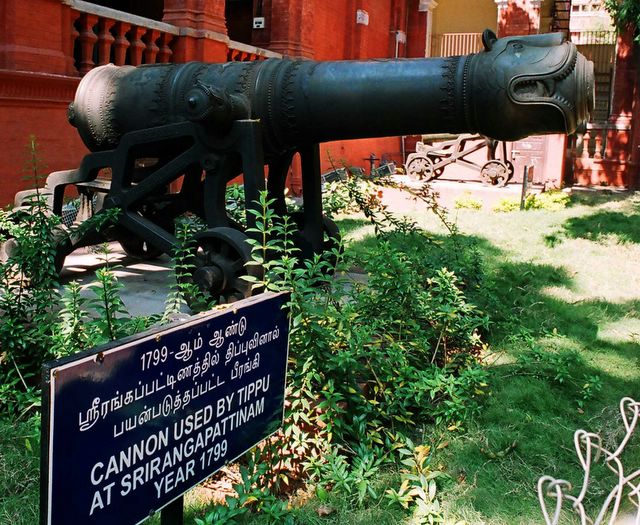
One of the more ornamental cannons at outside the Museum Theatre. (Adding information after seeing comment: Like the board says, it is a cannon used by the Tiger of Mysore, Tippu Sultan in 1799. Today it may be silent but it has roared in its day.) Posted by Picasa
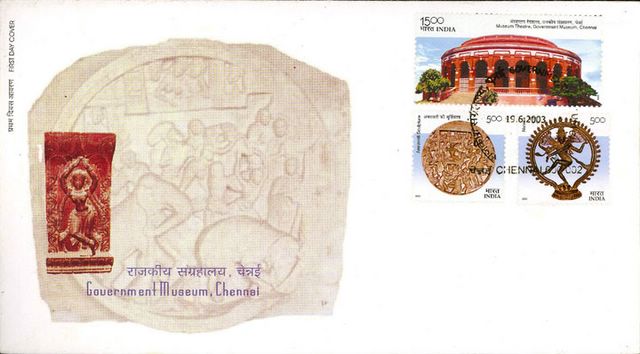
The first day cover and cancellation. Posted by Picasa

Sunday, January 08, 2006

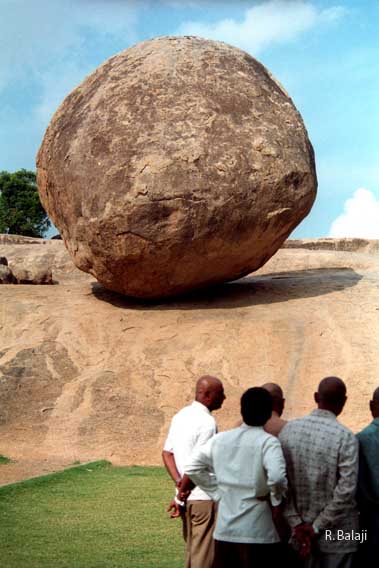
The butter ball at Mamallapuram. Actually, this rock looks this spherical only from this side. From the other side, it looks nothing like a ball - it is just another piece of rock. Posted by Picasa
A few kilometers ahead of Mamallapuram you have a cluster of sculptures, the tiger caves. Posted by Picasa
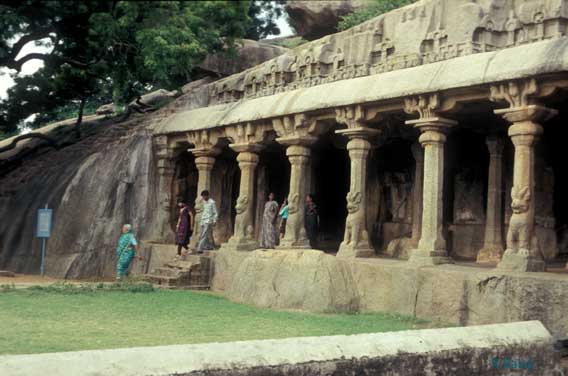
Here are a series of sculptures carved on the walls inside caves. Here is a outer view of one of the caves. Posted by Picasa
Krishna lifting up the Govardhana mountain to allow villagers of Gokulam take shelter under it from the storm let loose on them by Indra, the king of the gods.  Posted by Picasa
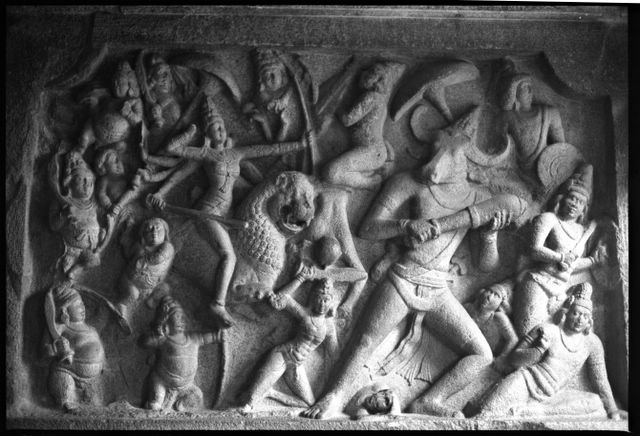
Mahishasuramardhini - Goddess Durga, mounted on a lion, destroying Mahishasuran, the buffalo headed rakshasha. This is one of my favourite sculptures - you can almost feel the energy here. Posted by Picasa
A cowherd. One of the cave sculptures that depict a rural scene. Posted by Picasa
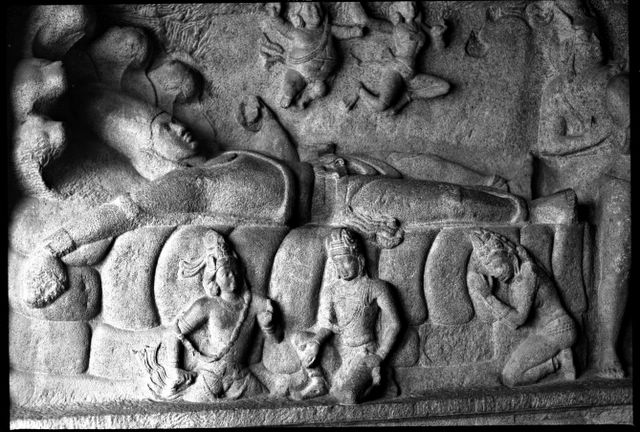
A sculpture inside one of the caves at Mamallapuram. Vishnu reclining on the serpent `adhiseshan.' The figure standing at his feet is one of the rakshas `Madhu' or `Kaitaban.' The other five figures are personifications of Vishnu's five weapons. The scene seems peaceful - more like a calm before the storm - the weapons are asking for permission to attack the rakshas. Of the two figures hovering over Vishnu, the one on the left is the conch, `Panchajanya'; and the other is the mace `Kaumodaki.' At the lower end of the frame (from left) are the discus, `Sudarshana;' the sword `Katkam;' and the bow, `Saranga.' Posted by Picasa
Monkey tricks at Mamallapuram. A gypsy and his monkey in front of the Ganesa Ratha. This structure is also a monolith but away from the five ratha complex. Posted by Picasa

Saturday, December 31, 2005

GREETINGS

WISH YOU ALL A HAPPY NEW YEAR
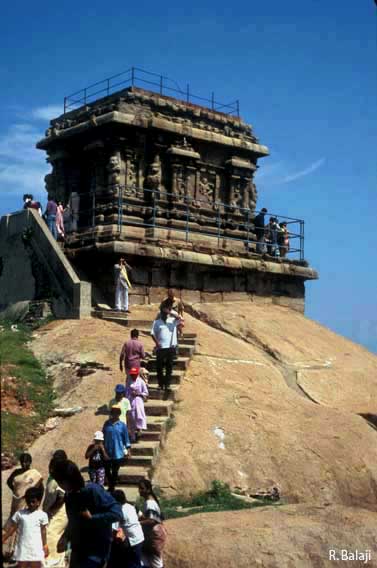
The Olakanathan Temple on a hill top at Mamallapuram. This is a Shiva Temple, and the deity is referred to as the Olakaneeswaran, a reference to the fiery third eye. According to popular legend this temple top acted as a light house, with a fire lit on top, when Mamallapuram was a main port during the Pallava regime over 1,300 years back. Posted by Picasa
Tourists at the Olakanathan Temple, Mamallapuram. Posted by Picasa
A monk at the Olakanathan Temple. I liked the bright splash of colour against the brown background and decided to take the pic ignoring the poor lighting and the flare. Posted by Picasa
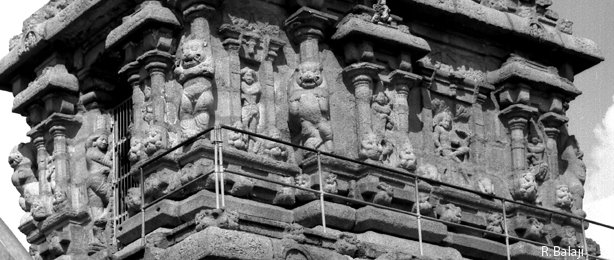
A view of the Olakanathan Temple, Mamallapuram. This pic was taken with the Mamiya Press camera I've referred to earlier.  Posted by Picasa
A section of the previous pic magnified to show the details of the carvings at the Olakanathan temple, Mamallapuram. Posted by Picasa

Sunday, December 25, 2005

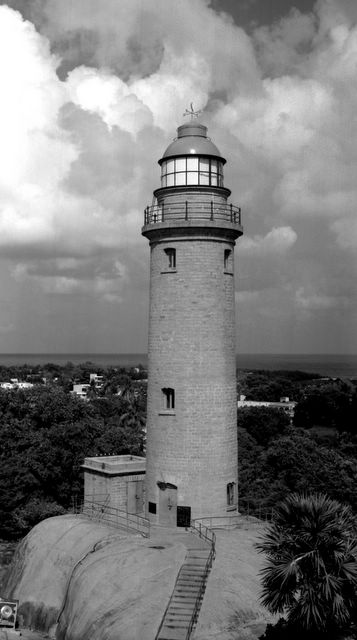
The light house - a modern addition - at Mamallapuram that was centuries ago a thriving port town. Posted by Picasa
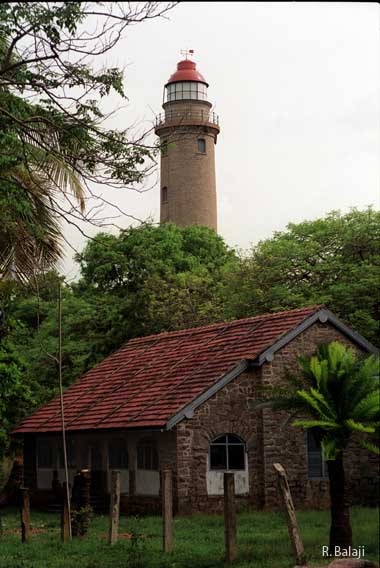
A new lighthouse at the ancient port town of the Pallavas. Posted by Picasa
A modern day sculptor at Mamallapuram. Posted by Picasa
Mamallapuram, primarily a tourist town. A street performer gets a token of appreciation from a tourist. Posted by Picasa

Saturday, December 24, 2005

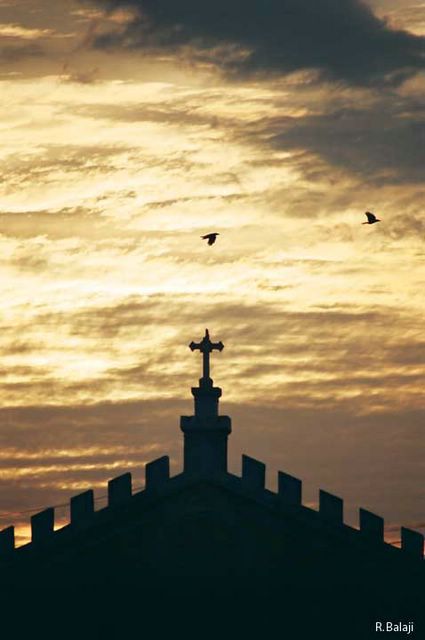
HAPPY CHRISTMAS - The sky over the Sacred Heart Church, Tuticorin, Tamil Nadu. Posted by Picasa
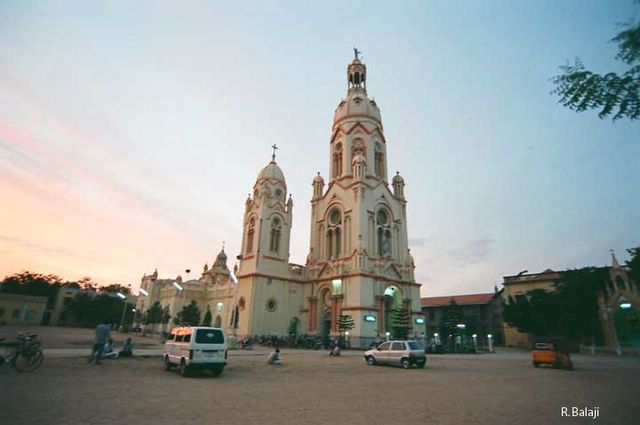
The Sacred Heart Church, Tuticorin. Posted by Picasa

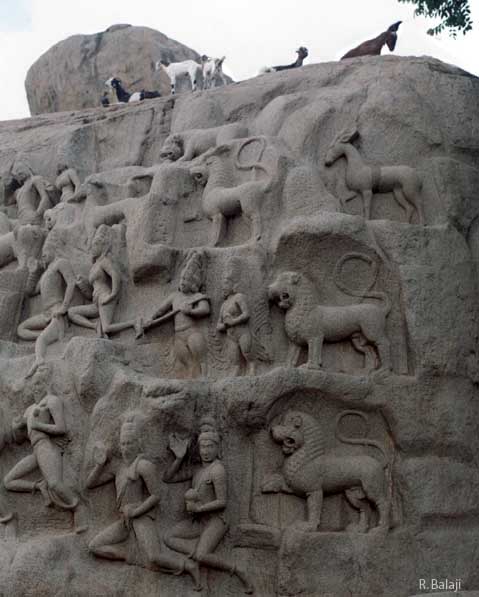
The Mural at Mamallapuram - Arjuna's penance

An extract from the book I' ve already quoted -Mahabalipuram, published by the Archeological Survey of India."This magificent carving is unique in the range of Indian art. Two large boulders with a narrow fissure in between have been chosen to represent a series of rows of gods and goddesses like Chandra (moon), Surya (sun), pairs of Kinnaras and Siddhas, Gandharvas, Apsaras (all of them celestial beings and demigods) etc rushing towards a central point near the cleft where a sage stands on his left foot deeply engaged in penance involving physical mortification. "
..."This scene is generally taken to represent a story from the Mahabarata in which Arjuna, the epic-hero, preformed penance to please Siva and thus to obtain the Pasupata weapon from him."
Apart from this in the cleft can be seen the nagas (snake-like beings) and a range of wild animals including a herd of elephants.
The high point in Mamallapuram, Arjuna's penance. Here is a full view of the mural, at a guess this must be about 80 ft in width by about 30 ft in height and is considered one of a kind. I took two separate pics and got them stitched digitally (by a professional)- this way the panoramic spread has a better impact I felt.  Posted by Picasa
The mural curves around the boulder to the right so here it is in a separate frame, Posted by Picasa